
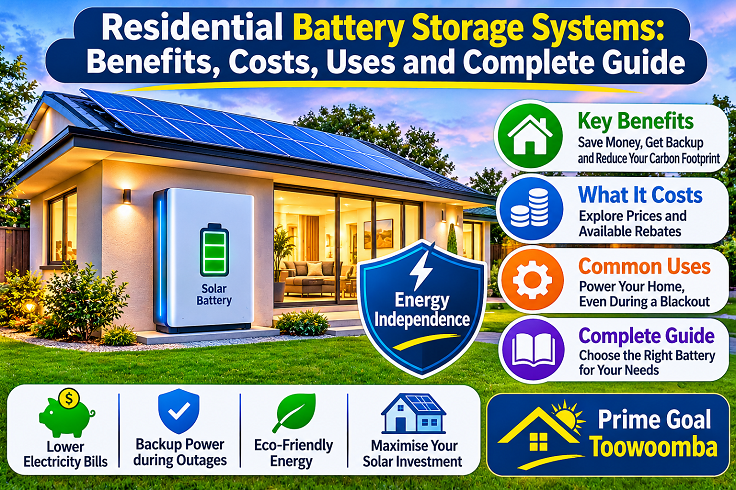
The household budget is highly influenced by electricity prices, and homeowners are searching for the smartest ways to manage their energy consumption. Solar panel installation has enabled many households to generate their own electricity. But have you ever thought of what happens when the sun goes down? The residential battery storage systems are the best find for this, where it allows the homeowners to store surplus solar energy during the day and use it later whenever electricity demand increases. Beyond the potential savings, battery storage can provide greater energy independence and can back up power during outages. It is important to understand the benefits, cost behind installation, and the uses before you plan for it.
Understanding Residential Battery Storage Systems
A Home Battery Storage system stores electricity for use at a later time. Solar panels for storing electricity are often installed or connected to a rooftop solar photovoltaic system. Instead of immediately exporting it to the electricity grid, the excess electricity generated during daylight hours will be stored. It is common that the storage electricity will be lower during evenings, the stored electricity can power household appliances and other essential equipment. Most homeowners prefer using battery systems with lithium-ion technology as it is energy efficient and has a compact design.
Home Battery Storage and its Major Benefits
A battery storage system for residential purposes does not just keep electricity, but there are several advantages beyond that. The major benefit of using a battery storage system is that households can use more of their own generated electricity rather than purchasing power from the grid. Other important benefits include:
- Lowers the electricity bills in your house
- Households become less dependent on changing electricity prices
- There will be backup power
- Homeowners can control their consumption with better energy management
- There are several environmental benefits as well.
Common Uses of Residential Battery Systems
In a house, households have different energy requirements, where battery storage is helpful in a greater way. Modern systems are not just for storing daytime solar electricity and help with evening electricity consumption. Also, the batteries can supply electricity during expensive tariff periods. Yet another common use is emergency backup, where the stored electricity can be utilized for essential appliances operating during outages. Also, the stored electricity can be used to charge an electric vehicle.
Residential Battery Storage Costs and Financial Considerations
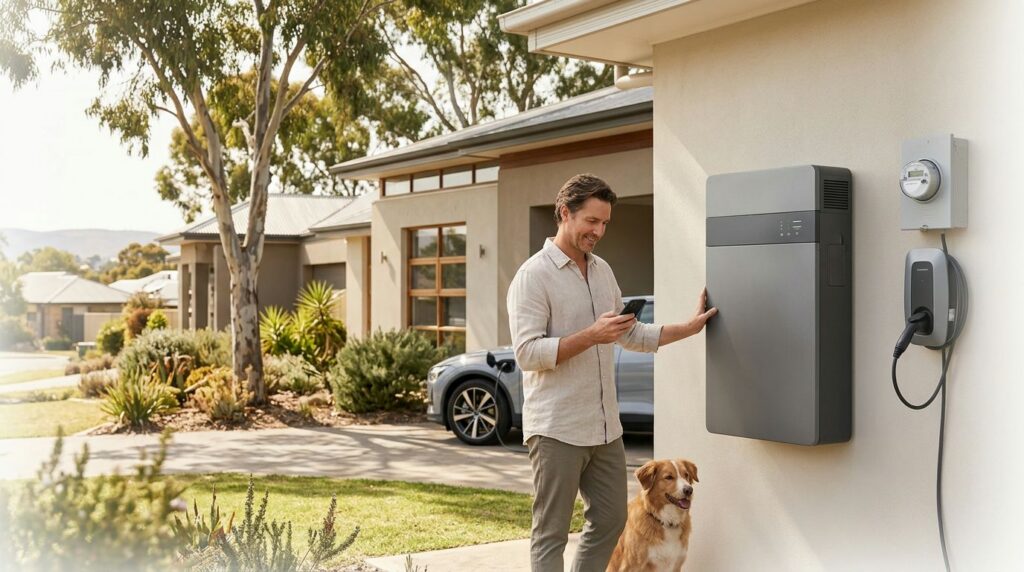
The important factors that make every homeowner concerned is the initial investment cost. The initial cost of the residential battery and the installation costs vary depending on battery capacity and the brand. A popular 13kWh system may cost approximately $6500-$9000. If you are choosing larger systems, it can cost considerably more. The financial factors that make up the cost are the battery capacity, installation, warranty, and expected operating life.
Solar Panel Installation Toowoomba and Battery Integration
Combining Solar Panel Installation Toowoomba services with residential battery storage can help homeowners make better use of the sunlight at its best. The solar panels absorb daylight sunlight and generate electricity during the morning. At the same time, batteries preserve surplus energy for evening consumption. The roof orientation and the available sunlight and shading must be evaluated before you install solar panels onto your roof. Also, it is important to check whether the current inverter is compatible with a new battery or whether it requires an upgrade.
Importance of Choosing Better Solar Installers for Reliable Results
It is always hard to find the best and Better Solar Installers Australia. This is one of the important parts of investing in residential battery storage. It is vital to look for reliable installers who can guide you with suitable product recommendations and clear warranty information. Also, before making a decision, be vigilant in checking the credentials of the installers and the experience they have in the installation field.
Conclusion
When you plan for a solar panel installation on your rooftop, safety and maintenance are also equally important. For that, you need to select accredited professionals like Prime Goal, where the experienced installers let the homeowners choose the suitable equipment and models that are apt for the house and needs.
Frequently Asked Questions About Residential Battery Storage Systems
1. What is a residential battery storage system?
A residential battery storage system stores excess electricity generated by your solar panels for later use. Homeowners can use this stored energy at night, during peak electricity periods or when solar panels are not generating enough power.
2. What are the main benefits of installing a home battery?
A home battery can help reduce electricity bills, increase energy independence, improve solar energy usage and provide backup electricity during blackouts when the system is configured for backup operation.
3. How much does a residential battery storage system cost in Australia?
The cost depends on battery capacity, brand, inverter compatibility and installation requirements. Eligible households may also receive government incentives through the Cheaper Home Batteries Program, reducing the upfront installation cost.
4. Can a residential battery power my home during a blackout?
Yes. A compatible battery system with properly configured backup functionality can supply electricity during a blackout. However, not every battery automatically provides backup power, so check which appliances and circuits will remain operational.
5. Is installing a home battery worth it in Toowoomba?
A home battery can be worthwhile for Toowoomba homeowners who generate excess solar electricity during the day and use more electricity in the evening. The potential savings depend on household energy consumption, battery size, electricity tariffs and installation costs.