
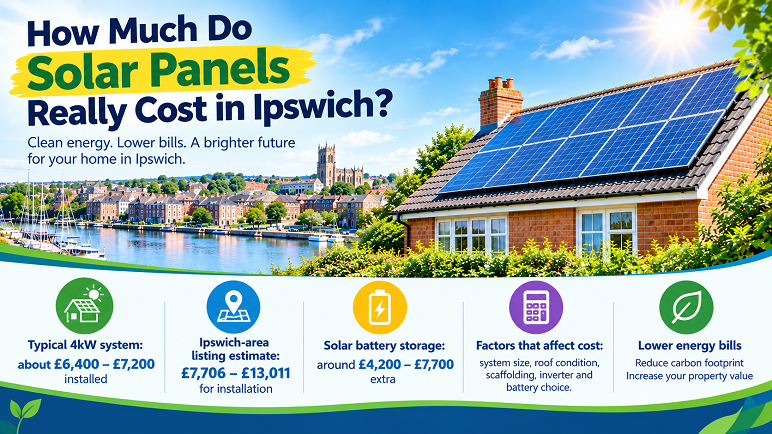
Location, panel quality, system size and installation fees all affect how much a solar panel system costs. A 10kW solar panel system can cost between $7,000 and $20,000 although Solar Quotes estimates that the average cost is $10,000. Why does this wide disparity exist?
A quality solar panel system includes services such as shade analysis, site visits and more complex configurations that are built into the cost. Australia is at the forefront of energy because of its abundant sunshine. Understanding how much a solar panel system should cost is essential as homes and companies install solar power to lower expenses and reduce environmental impact.
I will examine the costs of panels in Ipswich and the long‑term advantages of making the transition. I will help you determine the investment you can make to increase energy efficiency and save money.
How are Solar Panel Prices Calculated?
When investing, knowing how much solar panel systems cost will help you make a choice. According to Solar Choice the cost per watt has decreased over the ten years reaching $0.90 in 2025 after peaking at $2.40 in 2012.
A key consideration when evaluating the cost‑effectiveness of a panel system is price per watt. The cost of a 10kW solar panel system varies with location; in Queensland, QLD, a 10 kW solar panel system costs $7,540. In Darwin, NT, a 10kW solar panel system costs $14,960.
Some buyers would rather know how much each solar panel costs in Ipswich, which ranges between $80 and $300. For reference a typical residential system uses 14 to 28 panels.
The following are some of the determinants of solar panel costs:
Wholesale Equipment Expenses
Wholesale costs for solar panel equipment have dropped dramatically in the last decade and a half. This is thanks to manufacturers reaching production scales as the global industry has boomed. These savings can then be passed on to you, the customer.
Production has largely shifted to countries where solar panels are made in highly automated manufacturing facilities on massive scales. The use of robotics and AI has also helped improve the quality and efficiency of solar panel output in these facilities.
Solar Rebates
The federal solar rebate, known as small‑scale generation certificates (SSC) initially helped reduce the cost of installing solar panel systems. However, it has been winding back each year since its inception. Will be phased out in 2030. Your rebate depends on the size of a panel system; a 10kW solar panel system earns about $3,000 off the price.
While the rebate puts some pressure on solar panel pricing the industry’s growth and the decrease in manufacturing costs have helped to offset the decline in rebates.
So how much will solar panels cost in the future? Industry experts expect that costs will continue to decline. At a slower pace. This is because of improvements in cell efficiency and solar panel designs that increase wattage output to power systems.
Australian Dollar
Since many parts for panel systems come from abroad manufacturing costs are linked to the performance of the Australian Dollar. As the price changes solar equipment manufacturers and distributors quickly adjust their costs to mirror this.
Because of this many quotes are only valid for 7–30 days. This means that installers are not beholden to changes in costs caused by shifts in the Aussie dollar. Generally, increases in the AUD/USD rate cause solar quotes to decrease and vice versa.
Competition
Over 6,000 contractors are registered with Solar Accreditation Australia (SAA) to install panel systems in Toowoomba making it one of the country’s most competitive markets. Margins need to be slim to compete with industry leaders.
Some installers try to undercut costs by sacrificing quality and services to support marketing strategies that push massive systems. You should always be cautious of solar panel systems that may not have your best interests in mind.
Why Invest in High Quality Panels?
You may be tempted to choose the option for solar panels but opting for a higher quality solar panel system can pay off in the long run. Here are a few of the benefits:
- Efficiency: Premium solar panels are better, for partially shaded roofs where getting the most out of every square metre is crucial.
- Reputation: A higher price tag comes with reliability and dedicated support if you need to use your warranty.
- Degradation: Cheaper solar panels can lose efficiency over time compared to top‑of‑the‑line solar panels.
- Warranty: Premium panels provide long‑term 25 to 30 year warranties. Can cover more services. Heat tolerance: Premium solar panels can produce energy during hot summers because they have a lower temperature coefficient (PMax).
This does not mean that value‑for‑money options are necessarily worse. Premium panels can be a good choice when you think about long‑term efficiency and want peace of mind about maintenance and longevity.
How Do Installers Determine Prices?
The cost of panels can change depending on more variables that installers use to determine price.
Cheaper providers offer a no‑frills approach giving you value for a simple installation especially if you live in an urban accessible area. Options are a bit more limited. Do not include maintenance services.
Mid‑range providers offer a balance of price, quality and service. This higher cost includes site visits, hardware options and shade analysis. These installers are better suited for more complex installations or for those who want to keep their premium solar panel system well‑maintained.
High‑end installers can give you access to brands with deep knowledge of monitoring and custom setups. These providers are perfect for homes, premium systems and for those who want a bespoke setup.
Other factors that influence provider pricing include:
- System size: The size of the installation, which affects the amount of kW you will install.
- Panel brand: Some premium brands such as REC can cost as much as a good budget alternative like Jinko.
- Inverter brand: The inverter converts the DC electricity generated by solar panels into usable AC electricity. Some inverters may be suited for complex systems to improve energy management and battery storage.
- Installation difficulty: Solar installations involve variables such as tiled roofs, steep roofs, the location of the inverter installation regulatory switchboard upgrades and mains‑supply upgrades.
- Location: Regional installations are usually more expensive than metro ones if your installer needs to stay overnight and you live in a remote location.
Breaking Down Solar Panel Prices
Because of the market even low‑cost systems are now almost on par with high‑end brands for solar panel prices in Toowoomba. Although the initial outlay may appear high a strong and dependable system may guarantee that you will profit from cost savings and other advantages.
Solar panel innovations have made them more economical and efficient than before. You can save expenses and improve return on investment by choosing the right system and installer.
If you are ready to take the plunge with panels contact our experts today. Prime Goal offers an bespoke service, for home and business owners that meets industry standards. We cover everything from installations to maintenance so you can start enjoying the savings away.