
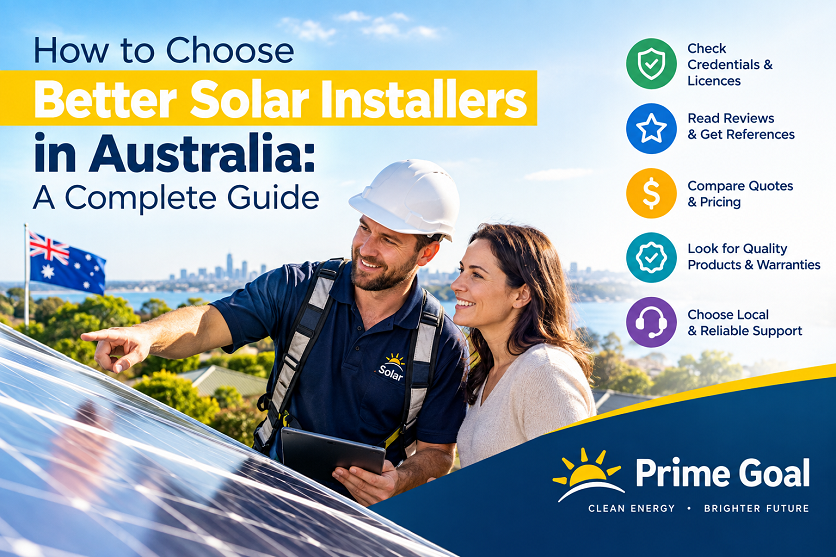
Choosing a solar system represents a major investment for any Australian home or business. Electricity prices, energy independence, battery storage and renewable energy are becoming more important to more property owners looking at solar power as a long-term energy solution.
But picking the right company to design and install your system can be just as important as the panels themselves. The professional provider should be able to provide appropriate equipment, transparent pricing, experienced workmanship, appropriate system design and ongoing support.
This guide helps you understand what to look for when comparing solar companies in Australia and how to make a confident decision based on quality, value and your property’s energy needs.
1. Begin With Your Energy Needs
Before you start comparing quotes, find out how much electricity your property uses now. Your electricity bills have useful information on your daily and annual consumption.
Look at:
- Average daily electrical usage
- Yearly electrical energy consumption
- Daytime use vs. evening use
- Appliances now in place
- Home improvements planned
- Electric cars
- Swimming pool pumps
- Air-conditioning
- Battery needs in the future
A household with high daytime consumption may have different needs to a family that uses most of its electricity in the evening.
It’s not about the biggest system you can have. Your system should be correctly sized for your consumption, roof space, budget and future energy plans.
2. Compare System Design, Not Just Price
One of the most common errors that homeowners make is to make their choice of a solar quote based on the lowest price alone.
Two quotes may look similar but describe very different system designs. The quality of equipment, panel placement, choice of inverters, shading, roof orientation, system capacity, warranties and installation standards can affect the long-term performance.
Request each provider to state their reasons for the proposed system size.
The following quote is useful because it clearly states:
- Brand and model of panel
- No. of panels
- Total system capacity
- Inverter Make and Model
- Anticipated energy generation
- Installation included.
- Warranty Details
- Monitoring options
- Compatible batteries
- Estimated project timeline
A transparent proposal makes it easier to compare options on equal footing.
3. Installer Experience & Credentials Verification
Solar electrical work should be carried out by properly licensed professionals. Before signing an agreement check the company’s business details, relevant electrical licensing, accreditation and installation experience.
You should also think about how long the company has been around and if they have experience with properties like yours.
Local knowledge can also be of great assistance, as roof designs, weather conditions, electricity networks and installation requirements can differ from one Australian region to another.
Don’t be afraid to ask who is going to do the installation. Some companies use sub-contractors to manage the projects; others have their own installation teams. Understanding what this arrangement is can tell you who is responsible for workmanship and after-sales support.
4. Don’t Just Look at Solar Panel Brands
Efficiency matters for panels, but panels are only one component in a complete energy system.
Another important component is the inverter which converts the power generated by the panels into electricity that can be used by your property. You should consider its capacity, efficiency, monitoring features, warranty and battery compatibility.
When comparing equipment, look at:
Panel performance
Look at product warranties, degradation rates, efficiency and whether they suit Australian conditions.
Inverter quality
Consider efficiency, reliability, monitoring, warranty and battery compatibility.
Installing Equipment
The mounting system shall be appropriate for the roof structure and installation environment.
Surveillance
A good monitoring platform can help you understand your energy generation and highlight potential performance issues.
The cheapest part is not always the best long-term option. Stress the system as a whole and how the parts work together.
5. Understand Your Solar Warranties
Warranties vary widely from product to product and company to company. Be certain that you know the difference between equipment warranties and installation workmanship warranties.
Request:
- What is the warranty period of the panel product?
- What is the performance guarantee?
- What is the length of the inverter warranty?
- Is the installation workmanship covered separately?
- Who handles warranty claims?
- What if the installer hangs?
- Are warranty conditions well documented?
A reputable company will explain warranty obligations in simple English, rather than making you decipher complex terms yourself.
6. Think Hard About Battery Storage
Or you can install a battery to store the excess electricity produced during the day and use it later. This can be especially helpful for homes with high evening energy consumption.
But not all properties require a battery.
Before you install storage, consider your electricity usage profile, current rates for energy, incentives available, size of battery, expected cycle life, warranty and future electricity needs.
If you’re considering a battery now or down the track, make sure you choose a Better Solar Installers system that can accommodate your plans. This provides more flexibility without the need to invest in storage up front.
7. Verify the Total Cost
When you are comparing quotes, don’t just look at the headline starting price.
Check whether the quoted amount is inclusive of:
- Gears
- Install
- Electrical *
- Metering requirements
- Setup monitoring
- Work involving roofs
- System Initialisation
- Government incentives or rebates (where applicable)
- More equipment
- Future maintenance costs
A very low initial quote may not include all the same items as one other proposal.
Get a written breakdown of the costs so you can compare like for like of each offer.
8. Look at Reviews and Feedback from Customers
Online reviews can be a valuable source of information about customer experiences, but they should be taken with a grain of salt.
Look for trends, not individual comments. Check comments on communication, installation quality, punctuality, system performance, warranty support & problem resolution.
It can also be helpful to check independent business information and feedback from consumers on different platforms.
A good communicating company before the sale should hopefully be the same after the install.
9. Enquire About After-Sale Support
Installation may be done, but your relationship with the solar company doesn’t have to be.
Ask what happens if the system produces less energy than expected, the monitoring platform stops working or an equipment problem occurs.
Important questions include:
- Who provides tech support?
- How do I file service requests?
- Is remote monitoring provided?
- How do you usually respond?
- Who handles manufacturer warranty claims?
- Can the system be extended in the future?
Robust after-sales support can make all the difference over the lifetime of your energy system.
10. Consider Long-Term Value
Solar should be viewed as a long-term investment, not a short-term purchase.
Such a system could help to decrease the dependence on grid electricity, increase energy independence and provide more control over household energy consumption.
Compare options based on the ratio of:
System cost + equipment quality + anticipated generation + warranty + installation quality + ongoing support.
This wider perspective helps to highlight the difference between a budget installation and a system designed for the real needs of your property.
11. Obtain Multiple Quotes
Getting a few quotes will help you get a sense of the market and differences in system design.
Instead of just asking“How much does it cost?” ask each company:
- Why is this system size suggested?
- What equipment is included?
- What generation is to be expected reasonably?
- What guarantees do you offer?
- What installation work is included?
- Does it include battery storage?
- What happens after installation?
Comparison of the answers can reveal significant differences that are not obvious from the headline price.
Frequently Asked Questions
Tips for selecting a trustworthy solar company in Australia
Look at the licensing, experience, quality of equipment, warranties, customer reviews, installation practices, and transparency of quotes and after sales support. Think through several detailed proposals before deciding.
Should I take the cheapest solar quote?
One thing to think about is price but it shouldn’t be the only thing. Compare equipment, system design, workmanship, warranties, expected generation, inclusions and ongoing support.
How large a solar system do I need?
The right size depends on your electricity consumption, the space on your roof, orientation, shading, your budget and your future energy needs. A professional assessment can determine an adequate capacity.
Should I purchase battery storage?
Battery storage may help homes that want to use more of their generated electricity after sundown. Value depends on usage patterns, cost of electricity, cost of batteries and available incentives.
What is included in a solar quote?
A detailed quote includes equipment, system capacity, installation work, warranties, monitoring, what is included, what is excluded, estimated time frame and total price.
Final Thoughts
There is more to choosing the right solar company than just looking at advertized prices. Australian homeowners should consider system design, equipment, quality of installation, warranties, energy needs, battery compatibility, customer reviews and long term support before they commit to an installation.
If you’re a homeowner seeking independent advice, transparent comparisons and practical solar options tailored to your property, Prime Goal will help you understand the options available and make an informed decision based on your energy needs, budget and long-term goals.